December 11, 2017
The year 2018 is just around the corner, and there will be countless changes and new trends in the market, especially when it comes to customer needs and how they respond to brands. The more aware you are of what’s happening around you and the better you can anticipate these changes and market challenges, the easier it will be to stay ahead of your competition and revolutionize your marketing strategy. To avoid falling behind your competition, you need to be aware of the existing digital marketing resources that can help you adapt to these changes.
Consumer attitudes, buying habits, and the ways people consume information are changing, which is why your business must adjust how it engages with its audience. Here are 5 reasons to add Inbound Marketing to your 2018 marketing plan.
1. Outbound Marketing Is a Thing of the Past
Consumers no longer respond to outbound marketing the same way they did 10 years ago. These days, people not only have more access to information, but they’ve also become experts at blocking ads. People rarely open emails from unknown companies anymore; they easily unsubscribe from email lists, report emails as spam, or even block unknown phone calls. It’s your responsibility to ensure your audience doesn’t lose interest and remains receptive to the message you want to convey. Inbound marketing channels are excellent communication alternatives for capturing your customers’ interest by creating relevant organic content on your website and through your inherent permission-based communication approach.
2. People Have Greater Access to Information
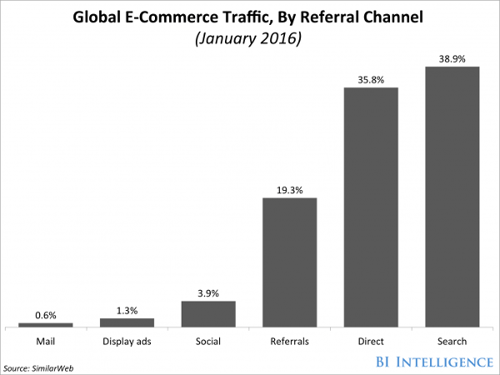
Users are constantly evolving and are becoming more informed and discerning every year. The facts cannot be ignored: 81% of shoppers conduct online research before making a purchase. Approximately 39% of global e-commerce traffic in 2016 came from online searches, with 35% from organic searches and 4% from paid searches. Another 35% of traffic was direct, meaning that consumers went directly to companies’ websites. Finally, 20% came from referrals or links posted on other websites outside of search engines*. This trend will certainly increase in 2018, and it is crucial that your business be able to showcase relevant content and information on your website so that people can more easily find your company and the answers they’re looking for. Make sure you’re always visible when users are searching for your products or services; optimizing your website’s content is therefore essential—a goal that can be achieved through an inbound marketing strategy.
*Business Insider
3. Consumers who are merely interested aren’t enough
Through Inbound Marketing, the leads you generate will always have greater potential and will more easily convert into customers. This is because Inbound Marketing provides lead nurturing programs that foster a deeper relationship between your potential customers and your content. If your business produces professional and useful content, you’ll certainly earn the respect of your leads, and they’ll place greater trust in your products and/or services. Building a relationship with your customers based on trust is the key to closing deals.
4. Be more efficient, saving time and money
The time and money you spend hiring sales representatives or trying to reach out to hundreds of people via email can be drastically reduced if you adopt an inbound approach. Through inbound marketing, leads come to you, and marketing automation platforms will automatically nurture these leads, targeting and optimizing the right content, at the right time, for the right people.
5. Think about long-term growth
“Tomorrow you’ll wish you’d started today.”
— Karen Lamb
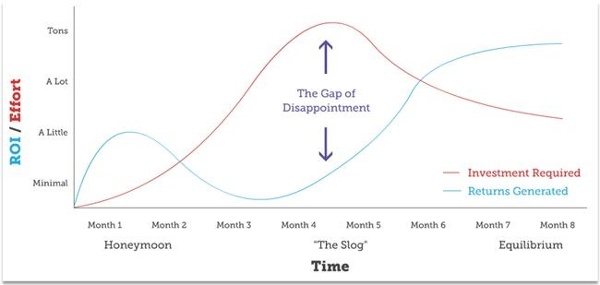
It’s not too late in 2018. Creating inbound content and optimizing your information over time will pay off and benefit your business, especially in the long run. There’s a cumulative effect of inbound marketing that will add value to content created in the past and future and boost your brand’s credibility and visibility. High-quality content boosts SEO (Search Engine Optimization), which in turn increases the amount of organic traffic that reaches your website over time. This means you’ll reach the right potential customers as soon as they’re searching for your products and/or services. In the long run, inbound marketing will not only help you build brand awareness but also improve the ROI of your marketing efforts.